


Do you remember the last time you shopped for perfume?
If you’re like so many, it was a confusing experience. So many bottles look similar. But when you start testing the fragrances, they smell completely different. Pretty soon, everything starts blurring together.
Fortunately, perfume categories offer a simple way to make sense of the scents. Before you know it, you’ll understand just what it is you’re smelling and why some fragrances just click.
What Are Perfume Categories, and Why Do They Matter?
Perfume categories are scent groupings based on shared notes and overall smell. The groupings give structure to an experience that might otherwise feel abstract – especially for beginners.
Categories explain why certain fragrances smell similar, even when their brand names are different. This means understanding perfume categories makes shopping for fragrances easier, without question.
Categories help perfume shoppers predict how a fragrance may wear before they ever spray that first tester. The categories also help them explain their preferences, whether they love clean scents, rich aromas, or something in between.
Defining Perfume Categories
The various perfume categories didn’t appear at random. They came about to bring order to something deeply sensory. Perfumers rely on certain shared structures and dominant notes to group scents in ways that make more sense to wearers.
Perfume categories derive from their dominant notes and scent structures. Fragrances are grouped by industry-recognized aroma families. Most fit into one main category, even if they borrow characteristics from others. Still, some perfumes sit between categories, blending characteristics of multiple scent families.
Floral Perfumes
Universally popular, florals serve as a natural starting point in our exploration. Floral fragrances typically highlight flower notes as their main features. The scents are often instantly recognizable, even if you don’t know the names.
Floral fragrances owe their popularity to their soft and airy feeling, although others are considered lovely for their bold and rich qualities. Some of the most common notes include:
- Rose
- Jasmine
- Peony
- Lily of the valley
- Orange blossom
- Lavender
Examples of floral fragrances:
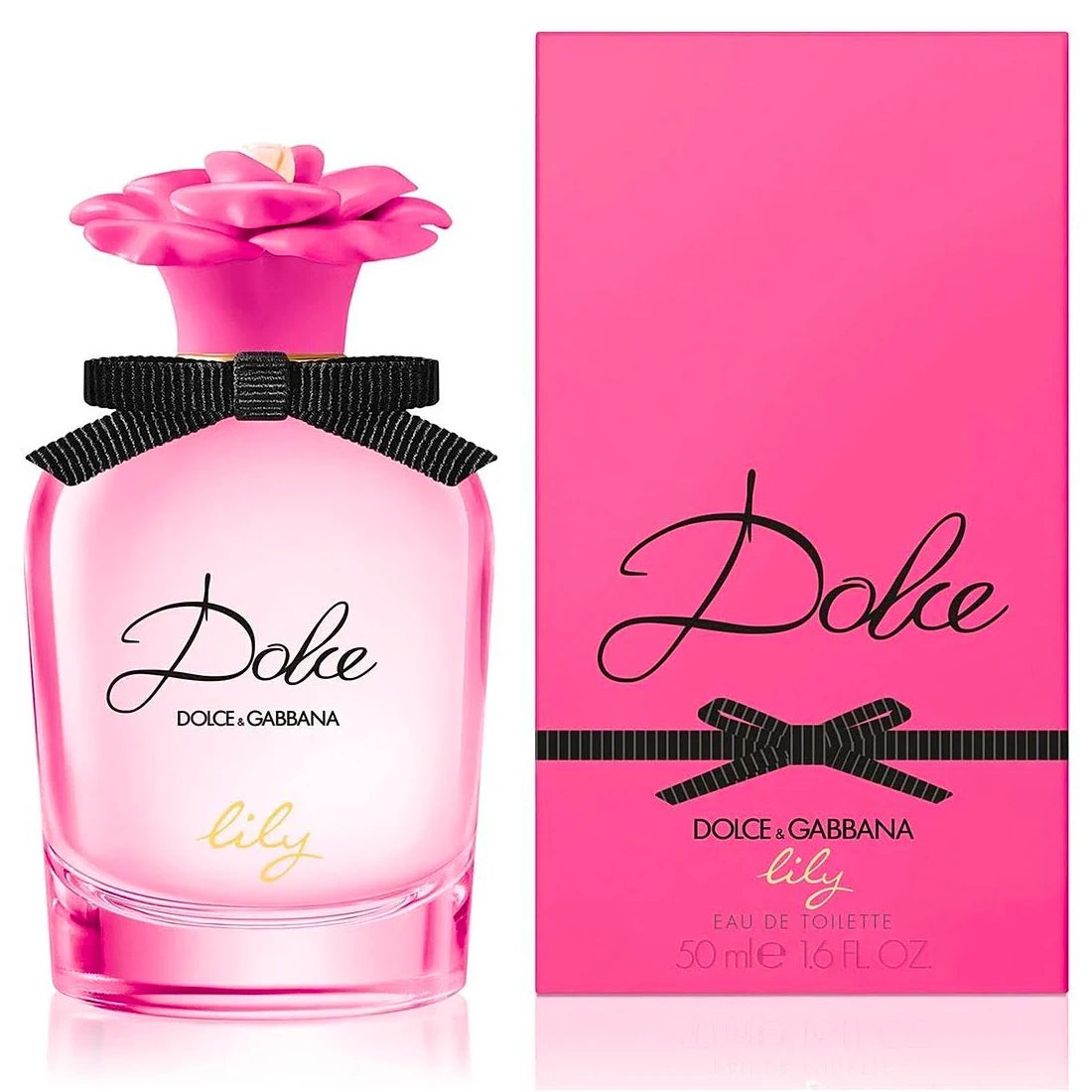
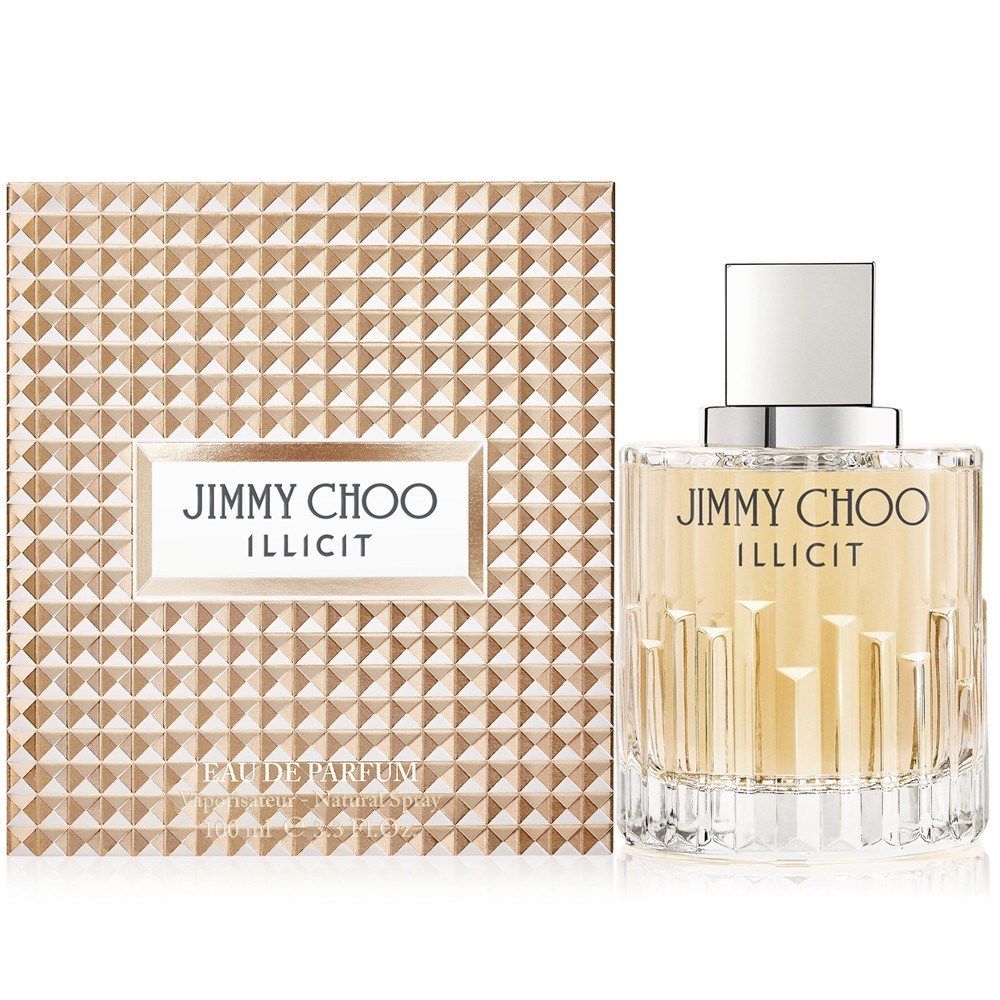
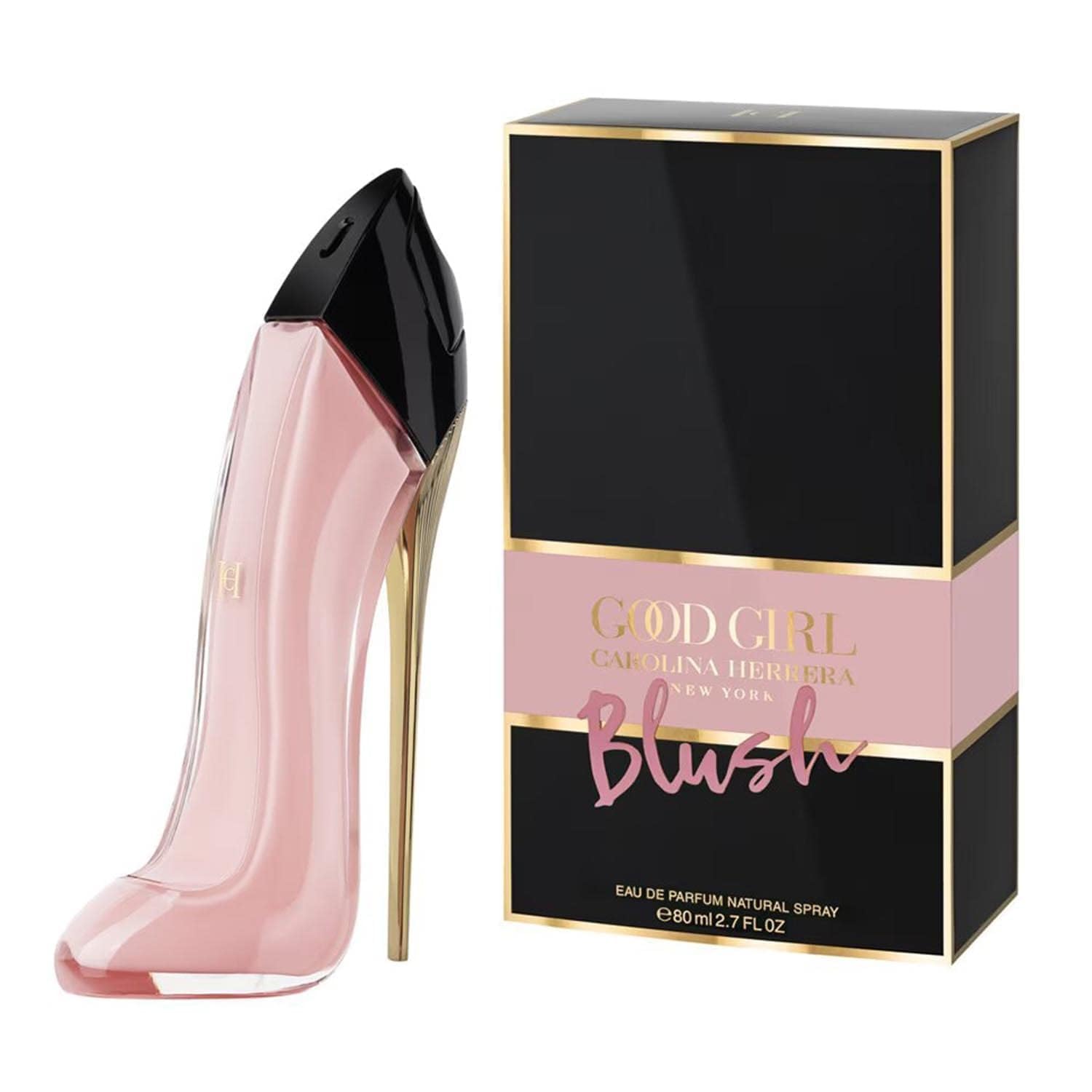
Fruity Perfumes
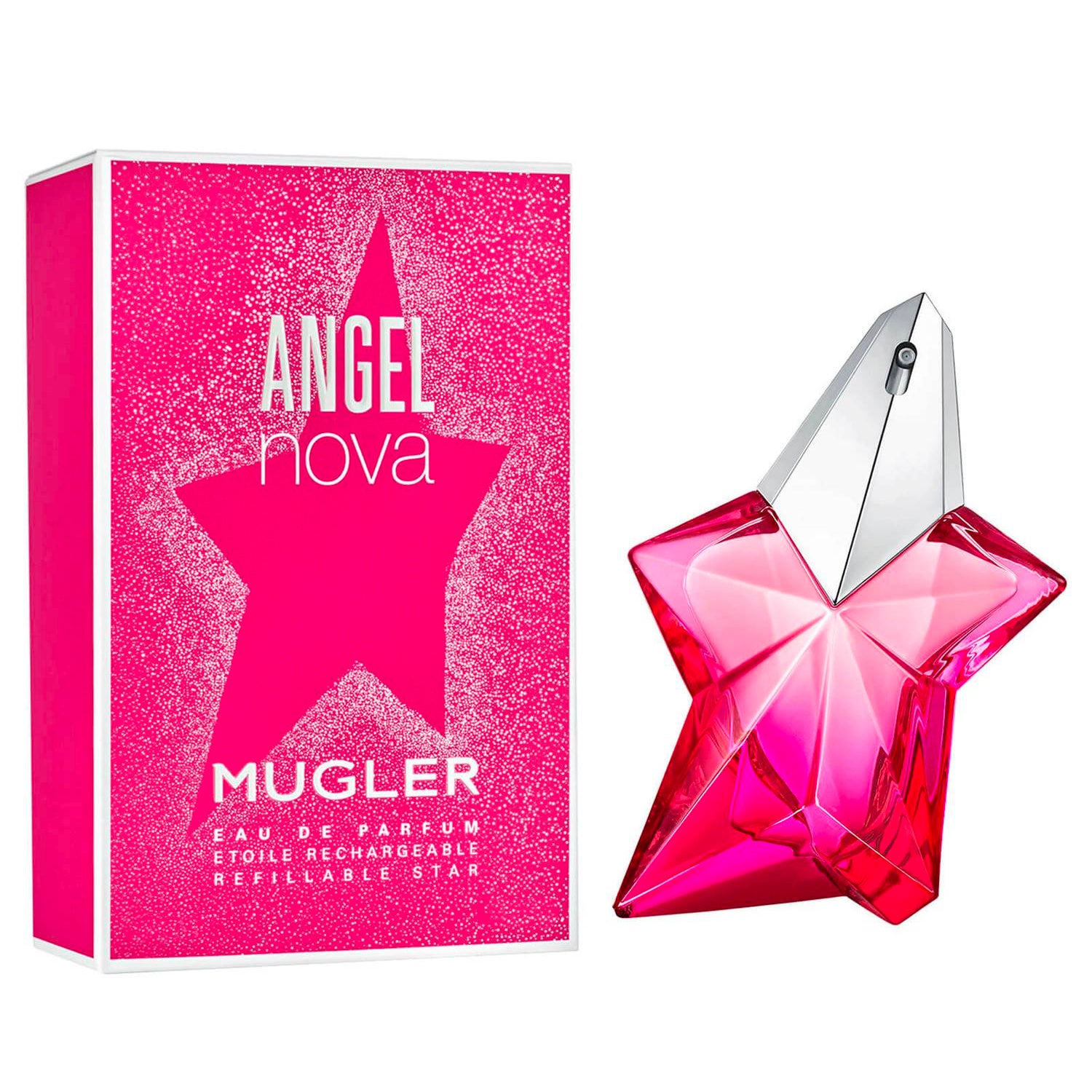
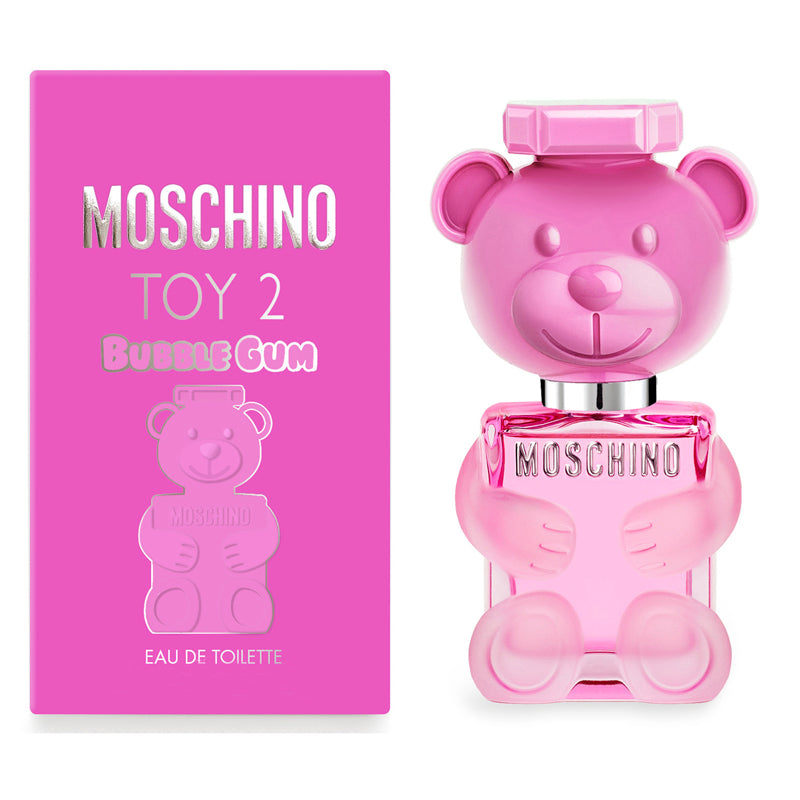
If floral scents are familiar, fruit fragrances just feel fun. They tend to smell bright from the first whiff, which gives them a broad appeal.
Fruity perfumes often feature fresh or sweet fruit notes that make a fast impression. Playful and bright, these formulas smell juicy, crisp, and candy-like.
Popular fruity notes include:
- Apple
- Pear
- Peach
- Berries
Some fruity perfumes are youthful, perfect for new fragrance buyers. Others feel polished and balanced with woods or musk. You can tell the difference when you test them.
Examples of fruity fragrances:
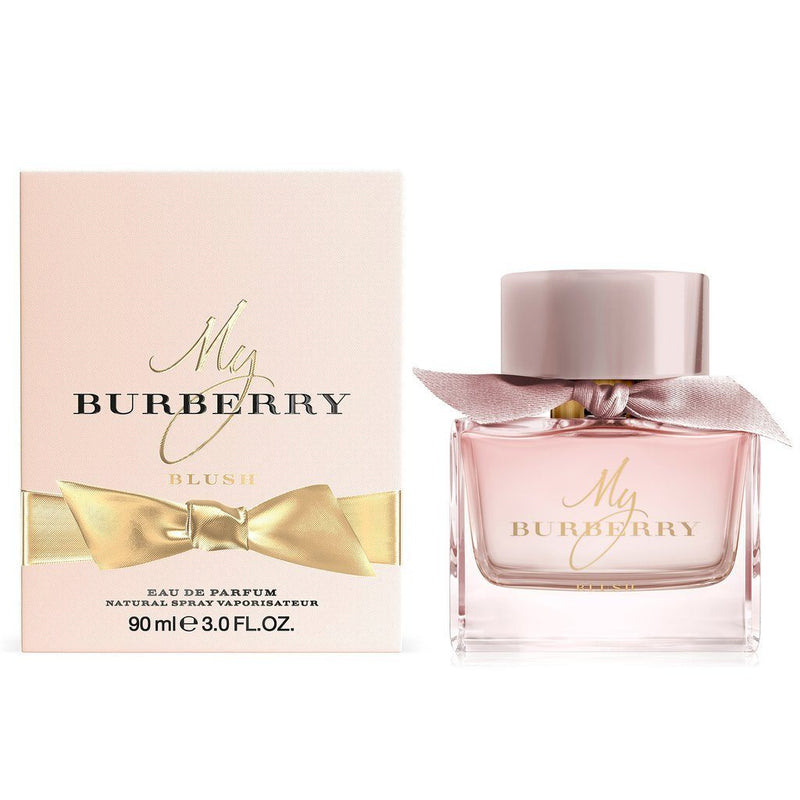
Citrus Perfumes
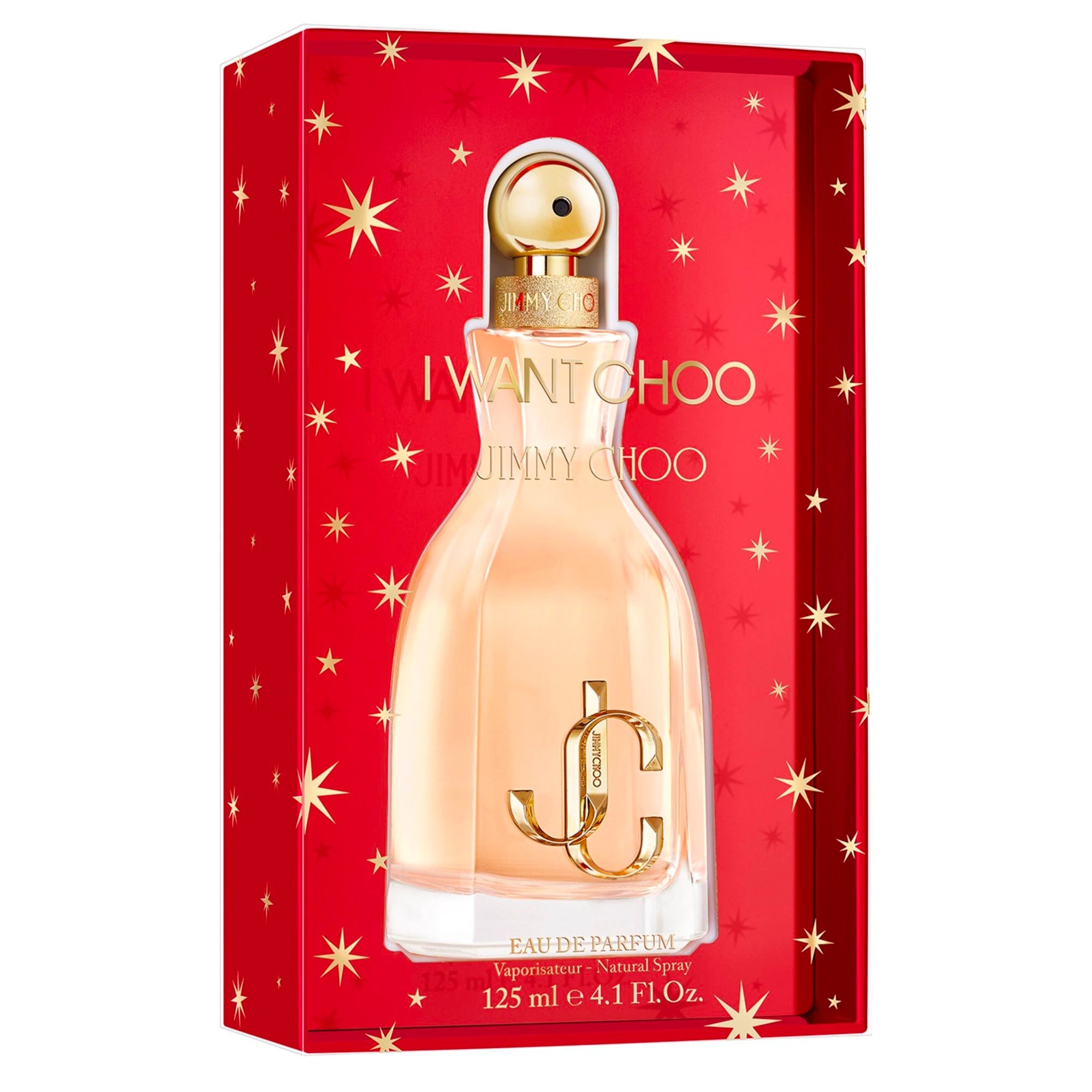
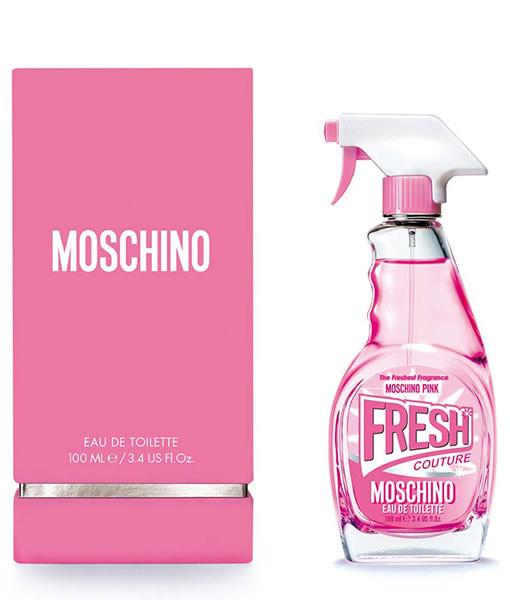
Citrus scents can quickly shift the entire mood of a room. Just one spray, and you feel like you’re opening a window on a clear morning.
Instantly appealing, citrus perfumes focus on zest and freshness for a clean and energizing feel. Many work well for daytime wear. However, citrus also fades faster than heavier categories. That’s why perfumers often blend them with woods or florals for better longevity.
A few typical citrus notes include:
- Lemon
- Bergamot
- Grapefruit
- Orange
Examples of citrus fragrances:
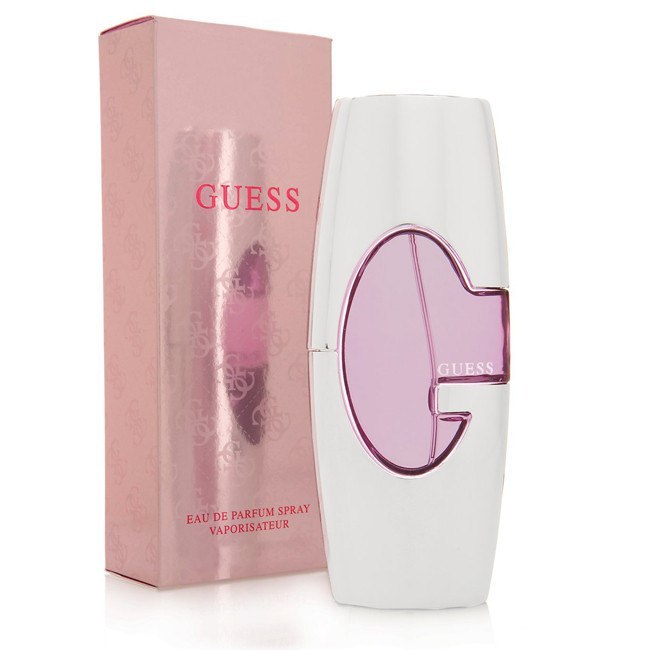
Woody Perfumes
Woody scents really bring things back down to earth. Often steady and grounding, woody perfumes feel warm, smooth, or dry – it all depends on how they’re blended. In fact, wood forms the backbone of many modern fragrances. Not only do they work across seasons, but many unisex perfumes fall into this category.
Common woody scents include:
- Sandalwood
- Cedarwood
- Vetiver
- Patchouli
Examples of woody fragrances:
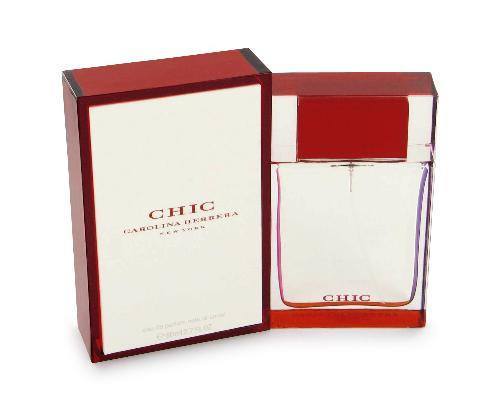
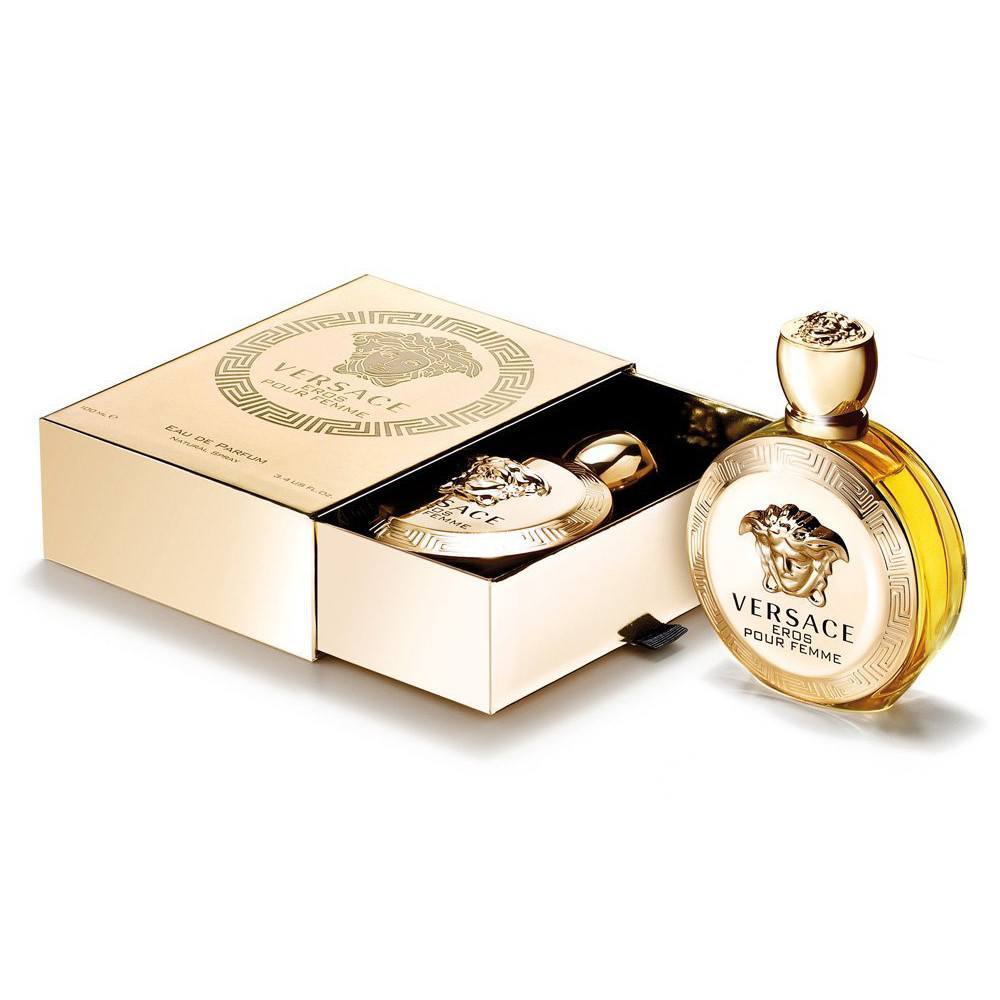
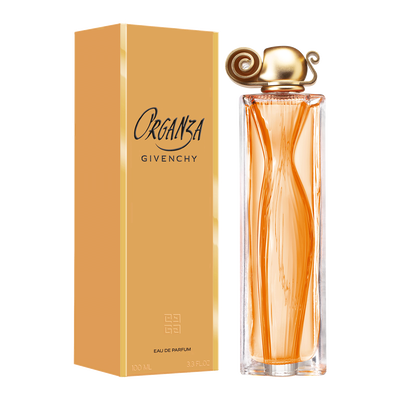
Oriental Perfumes
If woody scents are calm, then oriental fragrances are dramatic. These perfumes feel warm and intense, rich and deep from the first spray. Also called amber fragrances, oriental products often feel cozy and bold, shining at night or in colder months.
Key oriental notes include:
- Vanilla
- Amber
- Resins
- Spices
Oriental fragrances can feel strong in that first spray. But letting them settle starts to reveal their depth. This is where patience pays off.
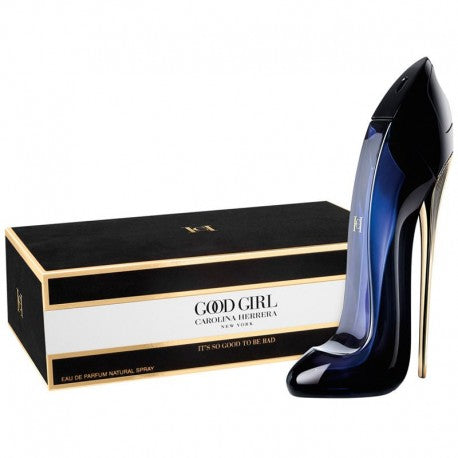
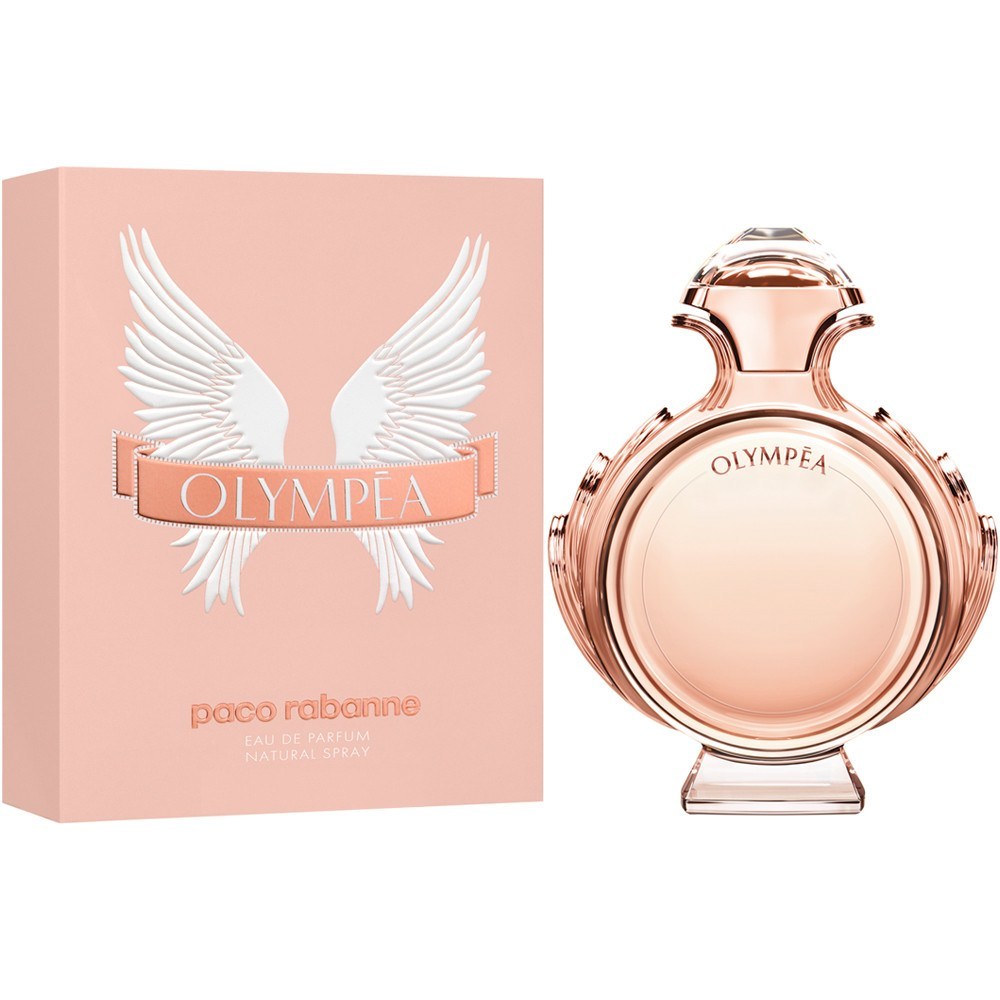
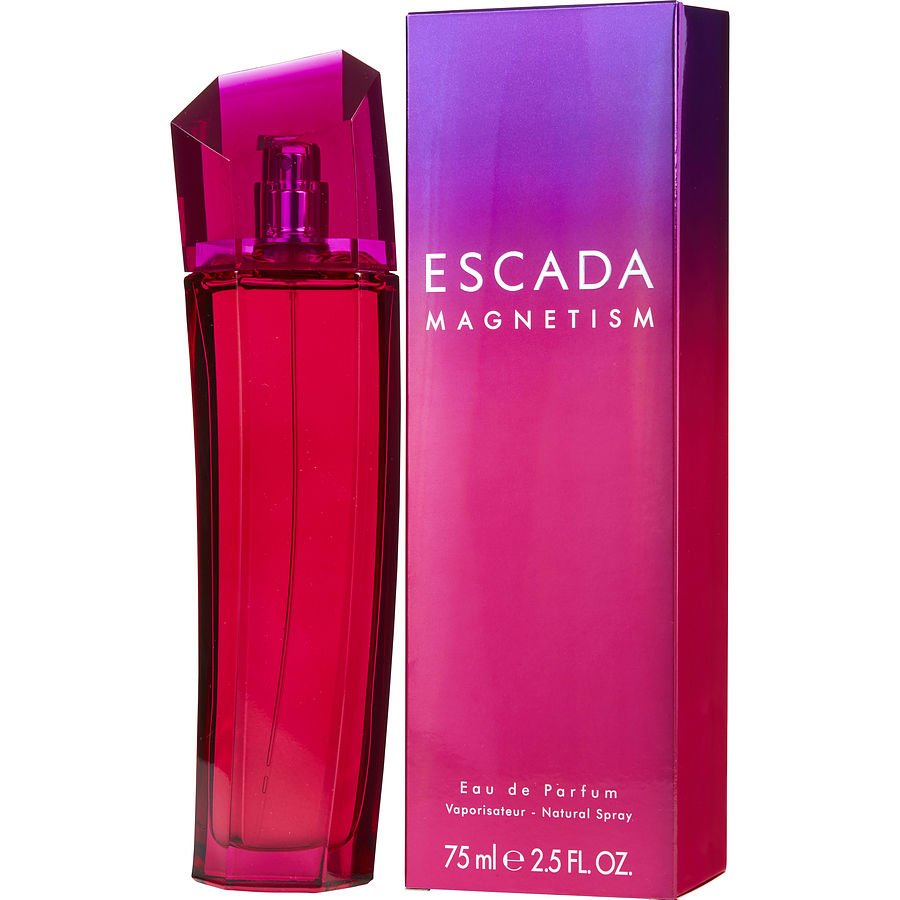
Examples of oriental fragrances:
Fresh Perfumes
Sometimes you want that added boost of confidence that otherwise just stays out of your way. That’s where fresh perfumes enter the picture. They smell clean and airy, often reminding people of crisp air or freshly-cleaned fabric. These fragrances generally are light and easy to wear.
Fresh categories often overlap with:
- Aquatic notes
- Green notes
- Light citrus blends
Because they rarely overwhelm, fresh perfumes work well for daily routines. They’re the fragrances many people reach for without giving it much thought.
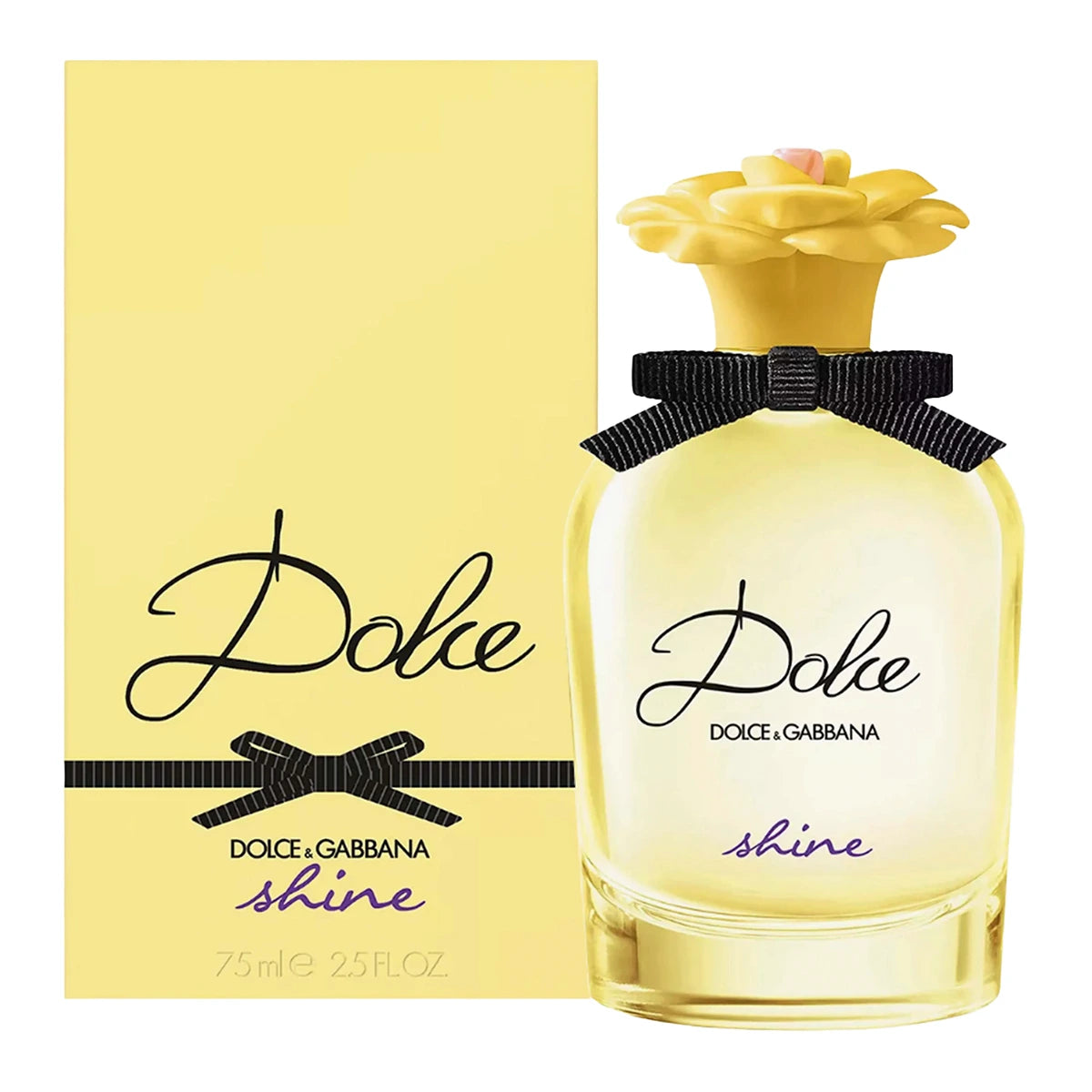
Examples of fresh fragrances:
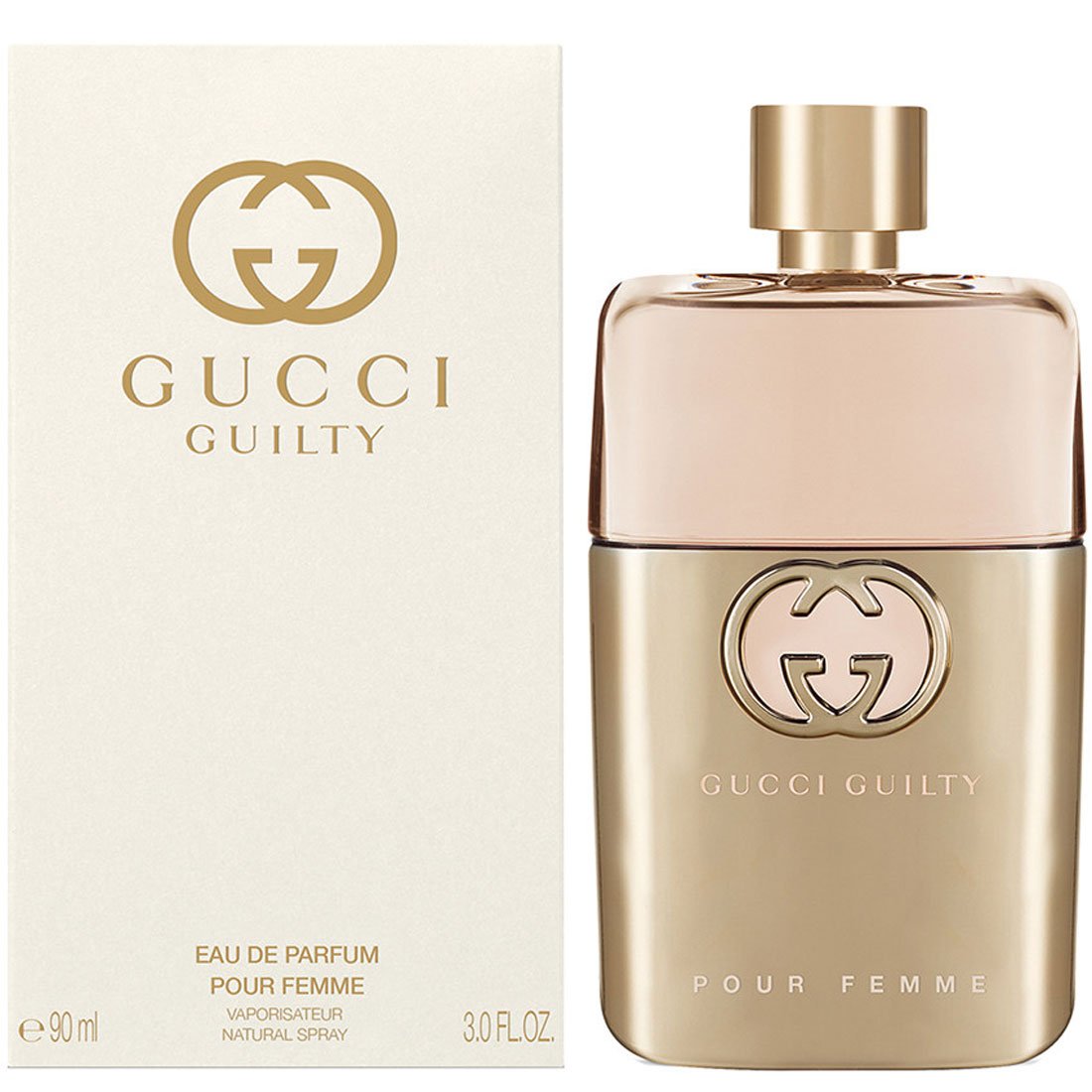
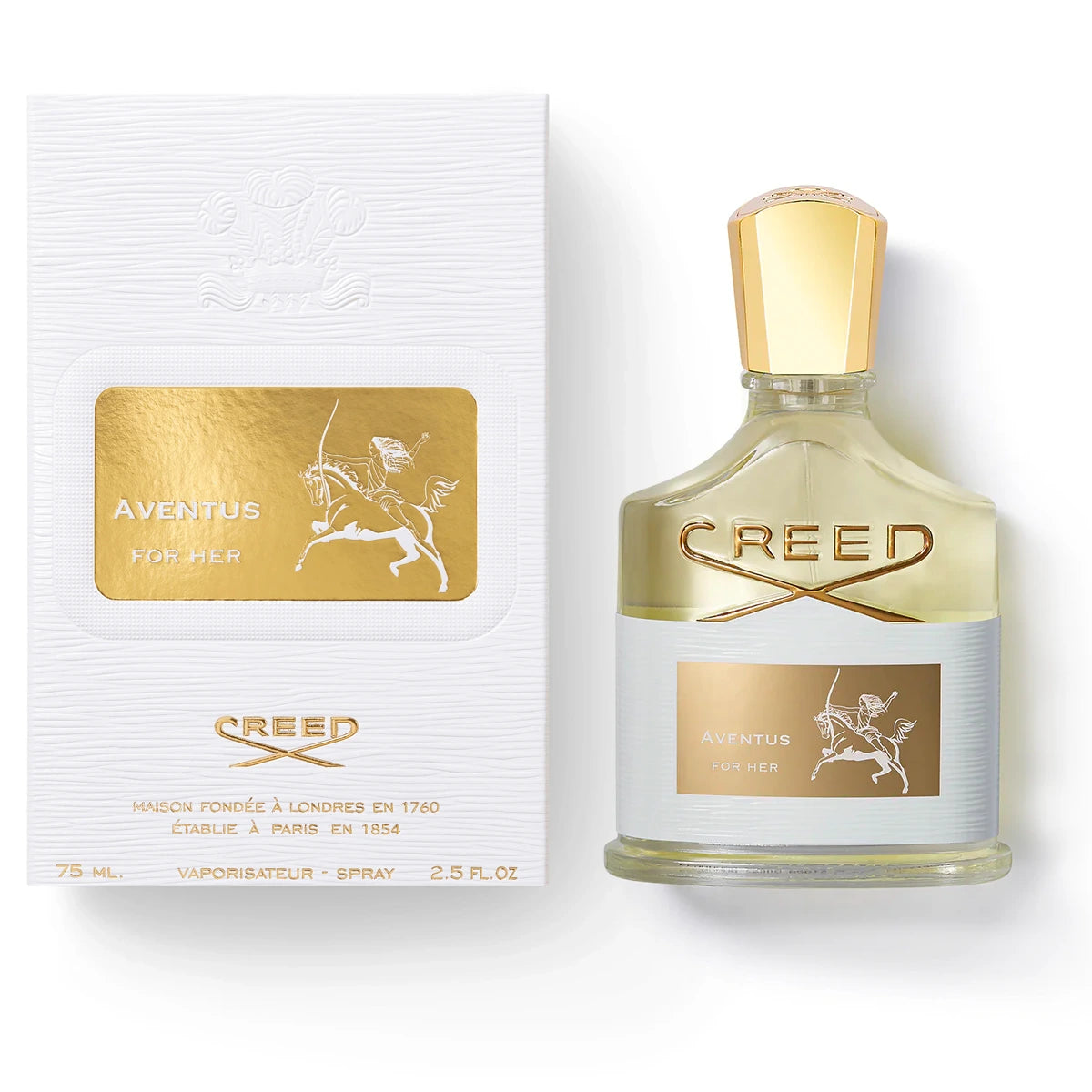
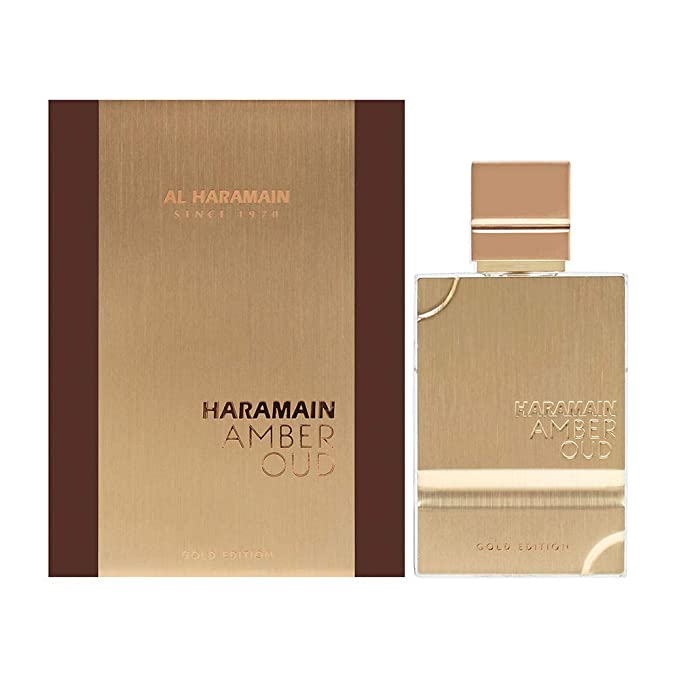
Gourmand Perfumes
Gourmand fragrances surprise many first-time buyers. They probably don’t expect a perfume that smells absolutely edible, so the scents may catch them off guard. These fragrances highlight dessert-like notes such as:
- Vanilla
- Caramel
- Chocolate
- Coffee
Gourmand has gained popularity in recent decades as it feels comforting to many wearers. Some varieties smell sweet, while others balance their sugar with spice or woods.
Examples of gourmand fragrances:
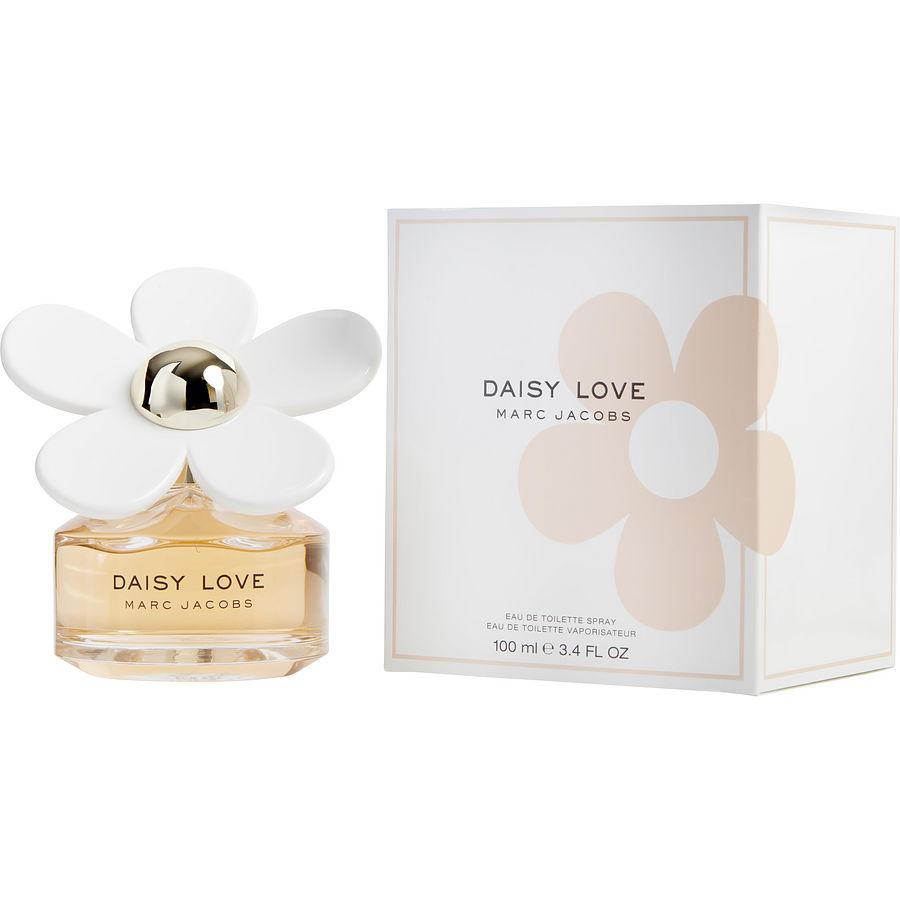
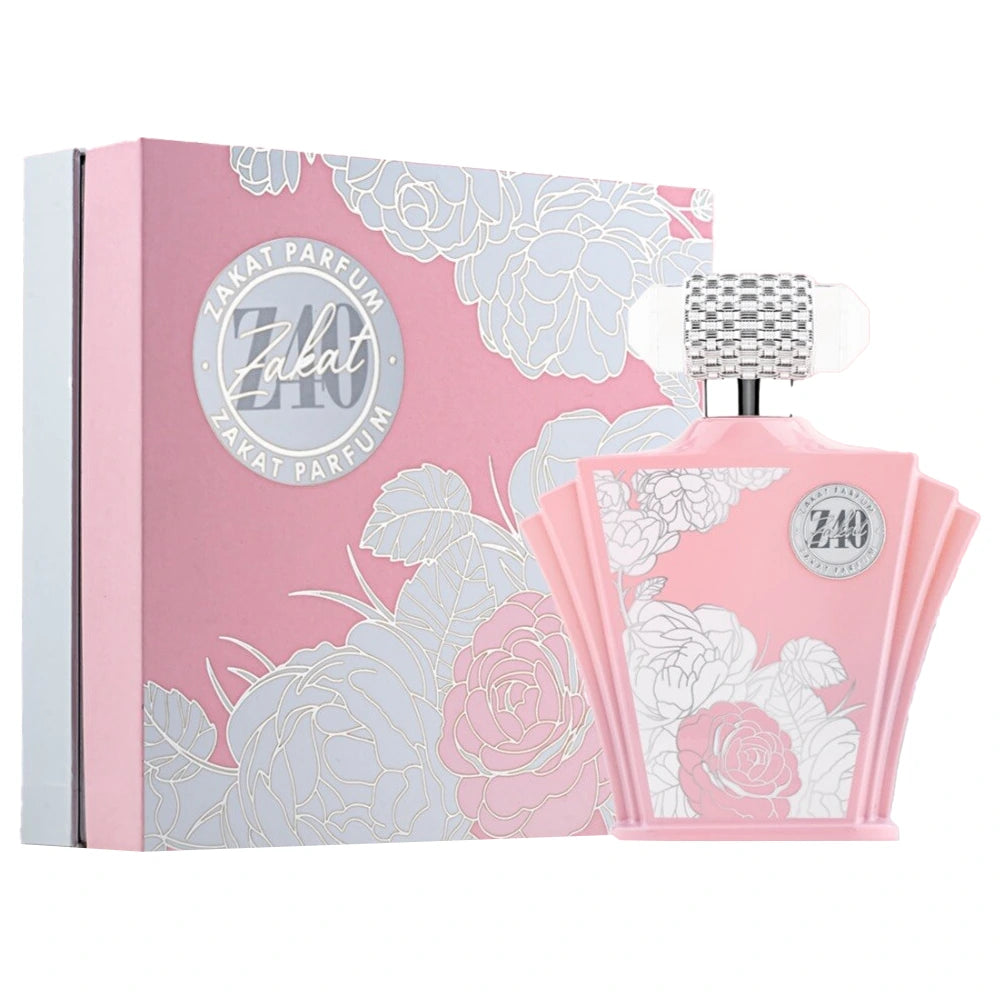
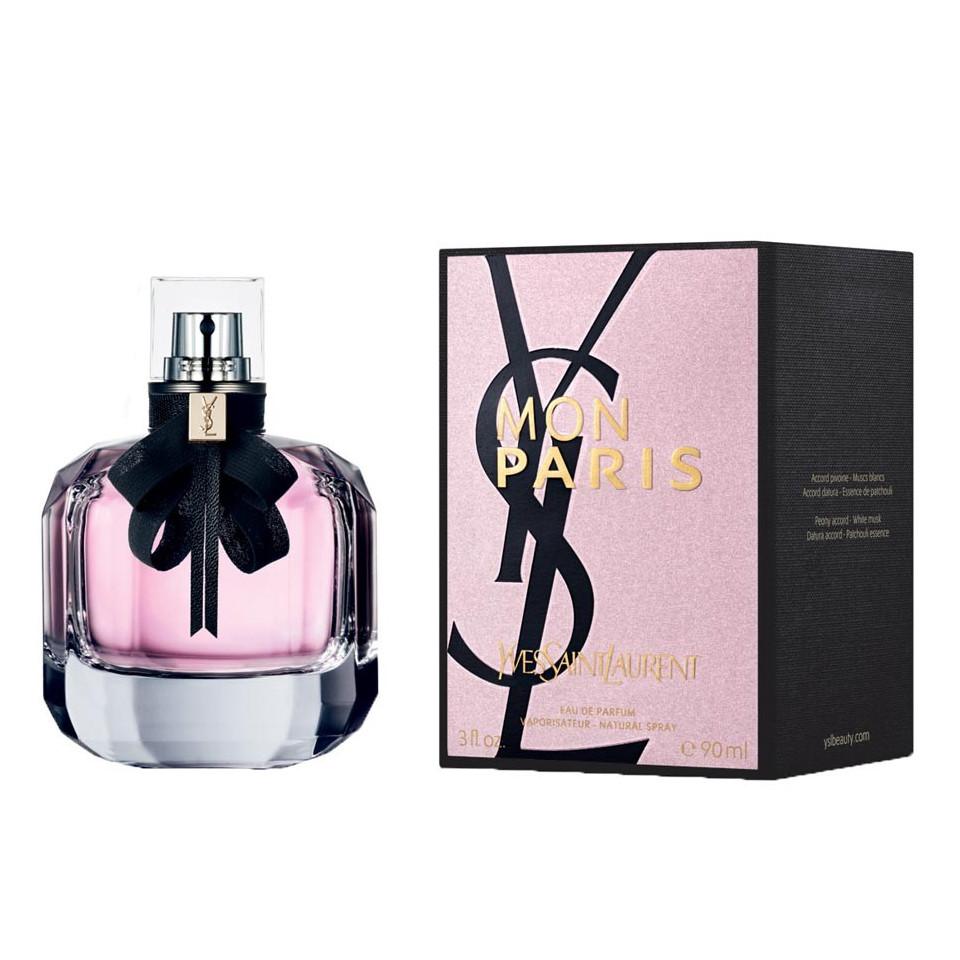
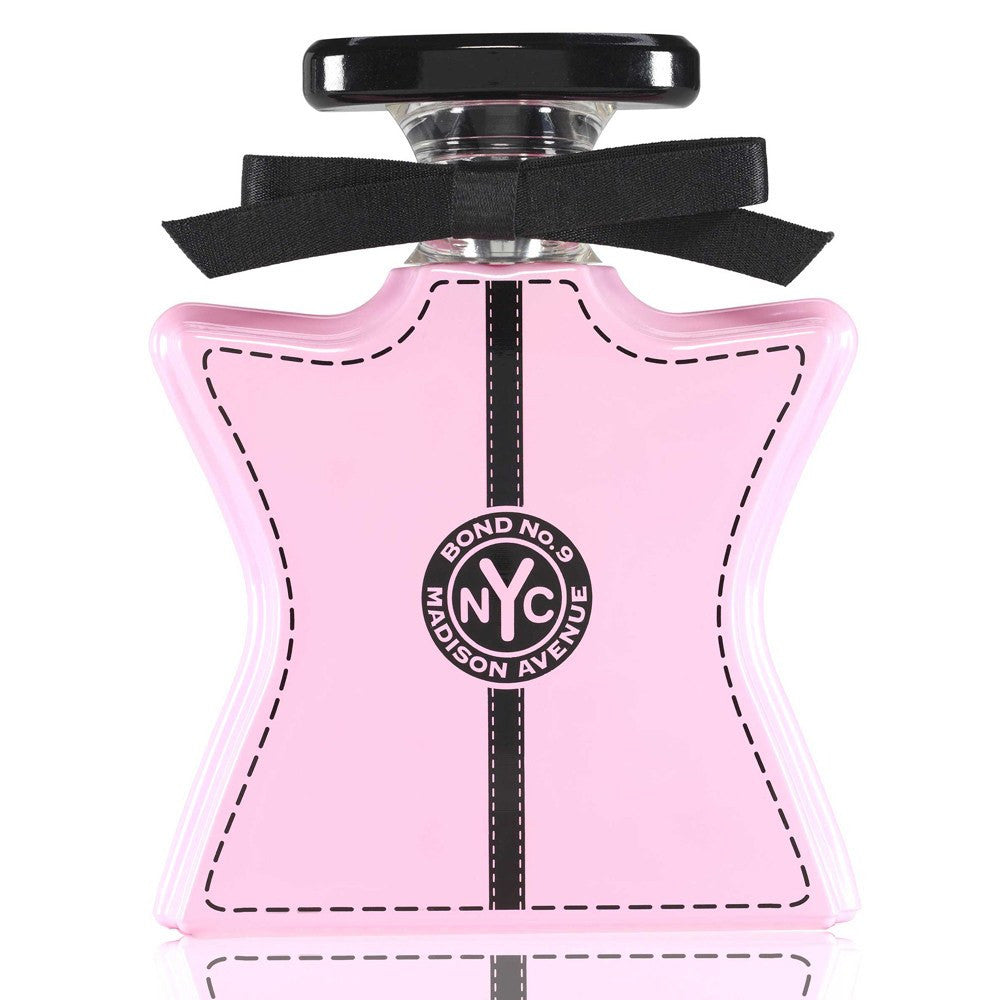
Chypre Perfumes
If you’re looking for a perfume that’s structured and elegant, you should consider one in the chypre category. These fragrances reward attention, and they tend to change more than other categories.
While they open bright, they finish dry. It’s no surprise to perfume lovers that many vintage-inspired scents belong in this category. It simply feels classic, but it might take time to fully appreciate.
A few common chypre perfume notes include:
- Citrus
- Moss
- Woods
Examples of chypre fragrances:

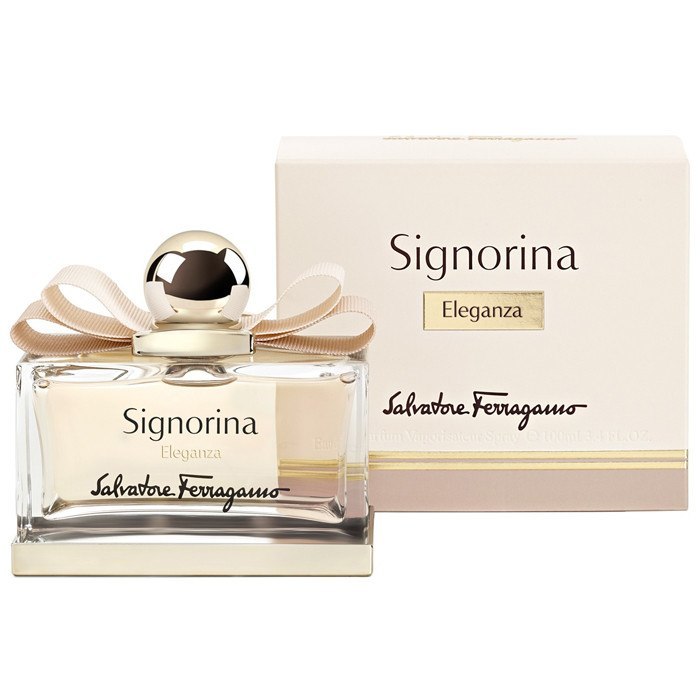
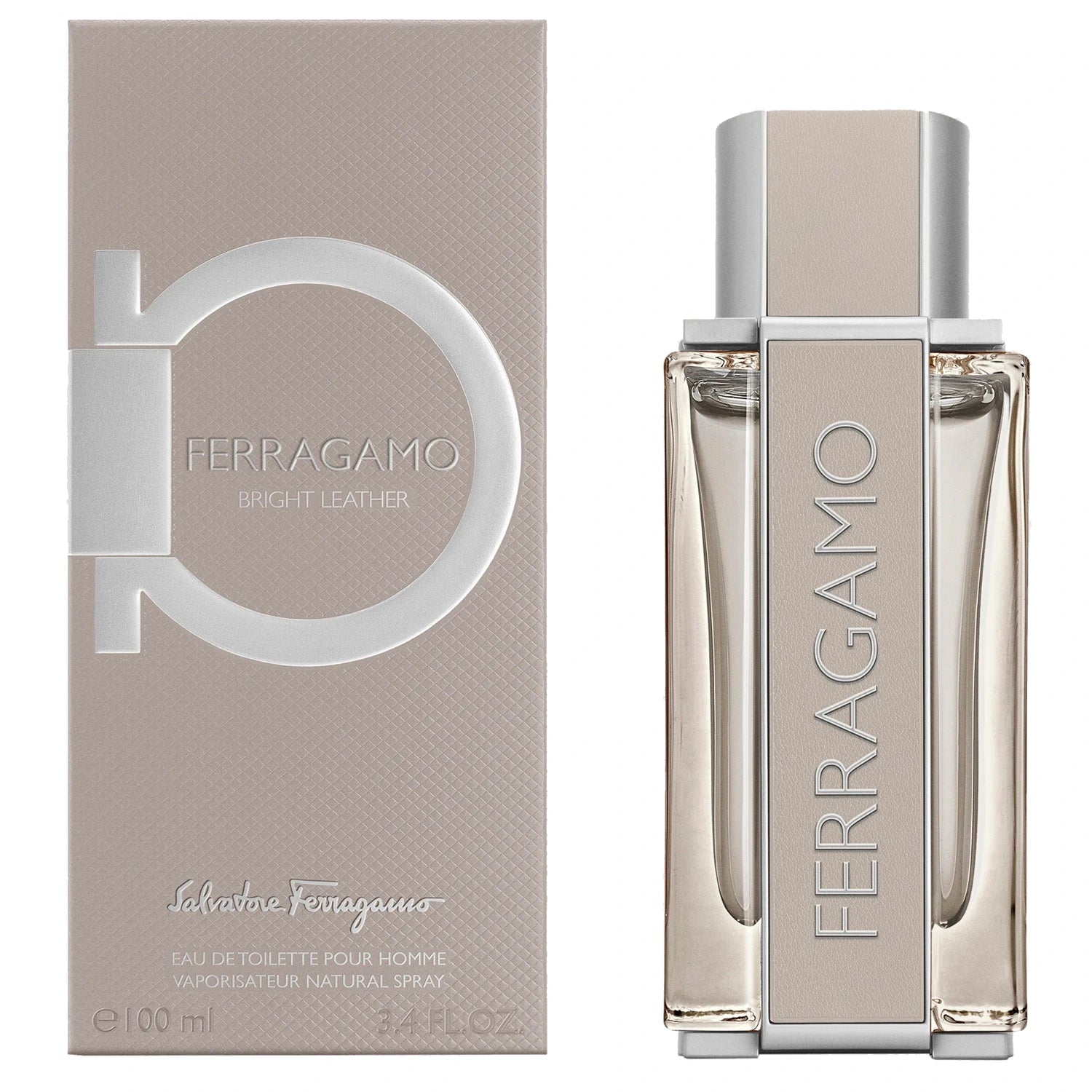
Leather Perfumes
Leather fragrances sit at the bold end of the spectrum. The scents rarely whisper. Instead, leather perfumes mimic the scent of leather goods in a way that stands out immediately. They feel smoky, dry, and slightly sweet. Some smell bold, while others feel more refined.
Leather often pairs well with woods or spices. The result feels dramatic, so small doses work best for many people.
Examples of leather fragrances:
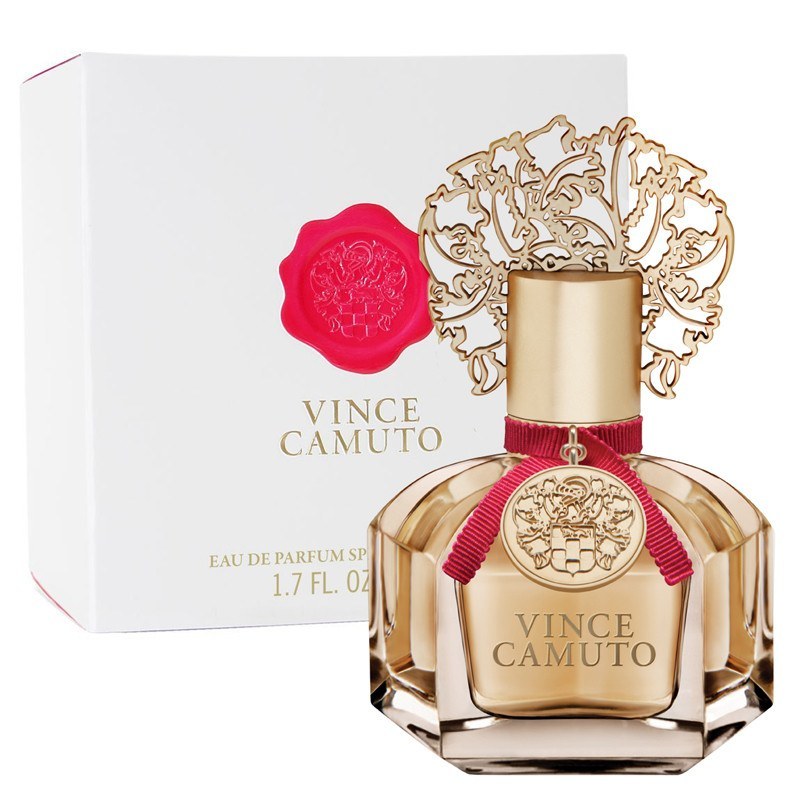
How Perfume Categories Help With Shopping
Knowing perfume categories takes some of the guesswork out of the perfume-buying process. When you identify what you already enjoy, you can shop smarter. Just think about which scents you reach for often.
You can use perfume categories to:
- Narrow choices quickly
- Compare similar fragrances
- Avoid blind buying mistakes
Perfume Categories and Personal Style Help You Choose with Confidence
Categories reflect both mood and lifestyle more than you may realize. Light categories are great for busy days, while deeper categories better suit evenings and special moments.
Indeed, perfume categories simplify the fragrance shopping process and make it feel less intimidating. They offer structure to a sensory experience. Understanding them builds confidence, whether you’re shopping for that special man in your life or selecting a favorite among the best perfumes for women.
LaBelle Perfumes features a wide range of fragrances across every major category. So, explore with curiosity, trust your nose, and find a scent that feels like it belongs to you.


0 comments