


If you have sensitive skin, fragrance might feel like a gamble. One spray can feel fine at first. Then it turns warm before you even leave the house.
When you find the right formula, however, your experience changes. With cleaner compositions and lighter scent profiles, you can let your fragrance quietly sit against your skin instead of discomfort demanding your constant attention.
What Is Fragrance Sensitivity?
Fragrance sensitivity occurs when someone’s eyes, nose, or skin push back against specific ingredients. Just because a scent smells nice on paper, that doesn't mean it won’t feel sharp or uncomfortable once it warms on the body.
What does a perfume allergy or sensitivity look like? Sometimes, the reaction arrives as redness. Other people notice pressure behind their eyes. But choosing a perfume for sensitive skin means you avoid these issues by favoring softness and restraint over boldness and excess.
Sometimes, fragrance sensitivity develops from repeat exposure over time. Other times, skin that already struggles with issues like dryness, eczema, or barrier damage reacts faster to fragrance ingredients. Even low-level exposure like the kind you get from daily wear or layered products can gradually build irritation even if it didn’t happen all at once.
What Is a Hypoallergenic Perfume?
How does a scent behave once it meets the skin? This is the focus of hypoallergenic perfumes. The formulas help avoid common triggers with shorter lists of ingredients. The end results feel calmer to the wearer and are more predictable.
Instead of announcing itself from across the room, a hypoallergenic fragrance stays close and wears gently over time.
Some ingredients are more likely to cause problems for reactive skin. As they evaporate, they can dry the skin’s surface and disrupt its barrier. But when you know what to avoid, you can narrow down your safer options and remove the guesswork.
Common perfume ingredients to watch out for:
Alcohol
High alcohol concentrations evaporate quickly. They can leave skin feeling tight or irritated. Sensitive skin often reacts with warmth or redness shortly after application.
Essential oils
Essential oils come from natural sources. But they still remain highly concentrated. On sensitive skin, the oils can trigger irritation or discomfort that lingers.
Dyes and colorants
Added color serves no purpose when it comes to a fragrance’s performance. In fact, the additives really only increase the chances of irritation without boosting the scent’s quality.
Synthetic scents
Some aroma chemicals feel sharp or aggressive once they warm on the skin. If you’re sensitive, these ingredients can cause headaches or skin reactions.
Other natural fragrance sources
Ingredients like cinnamon, lavender, rose, clove, and citrus peels frequently cause sensitivity. Sure, the ingredients smell familiar, but they can provoke reactions when they’re used in perfume.
Common allergens
Parabens, sulfates, phthalates, and paraffins often appear in fragranced products. These sorts of compounds rank among the most common triggers for irritation.
Top Fragrances for Those With Sensitive Skin
Top scent options for sensitive skin feel light from the first spray. They open up smoothly and quickly settle. Some of the best perfumes for women and men wear more like a second skin than a statement. They promise comfort throughout the day.

Juliette Has a Gun’s Not a Perfume
Not a Perfume uses a single synthetic molecule called Cetalox. The scent feels soft, musky, and skin-like more than what we’d traditionally consider “perfumey.” The fragrance’s minimal ingredients make it a standout for sensitive skin.
- Single-note composition reduces irritation risk
- Earthy and woody notes
- Subtle, clean finish that stays close to the skin
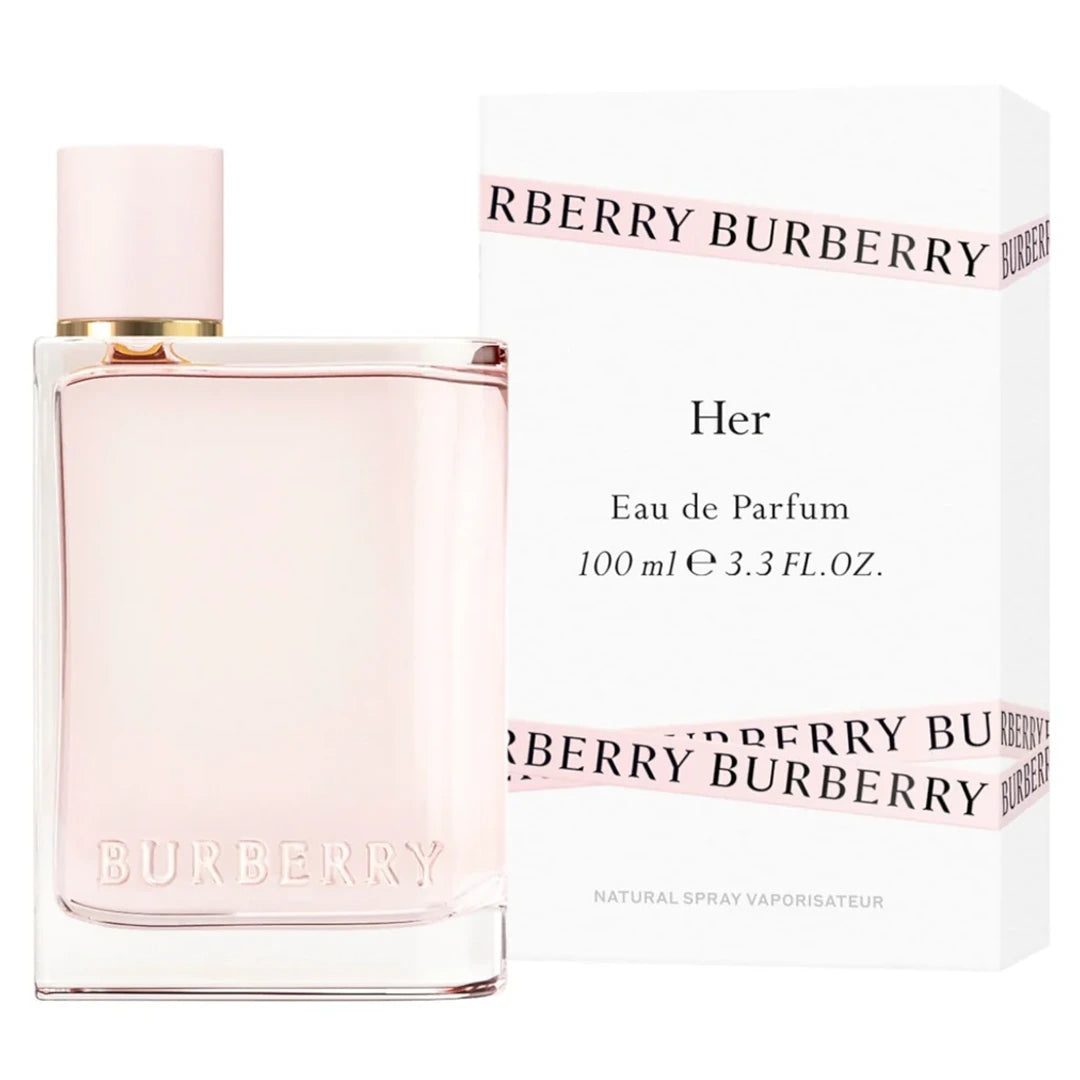
Burberry Her
Burberry Her blends berries with soft musk and amber. The fragrance feels smooth rather than sharp. Ideal for anyone with sensitive skin, Her is free from many top allergens.
- Balanced sweetness without harsh edges
- Lighter dry-down than typical fruity florals
- Suitable for daily wear on reactive skin

Davidoff Cool Water for Men
Cool Water remains a men’s classic, and for good reason. Its aquatic profile feels crisp and breathable. It’s considered a reliable hypoallergenic men’s cologne thanks to its clean structure.
- Fresh marine notes feel cooling on skin
- Lower perceived heaviness than spicy colognes
- Clean aquatic profile supports sensitive noses
- Familiar scent structure reduces sensory overload

Jimmy Choo’s I Want Choo
This is a scent that leans warm and smooth, not sharp. Floral notes soften I Want Choo with citrus and peach, creating a warm and sensual profile. The fragrance also boasts reduced allergen content.
- Woody gourmand undertone
- Controlled sweetness without overload
- Gentle dry-down that avoids sharp spikes
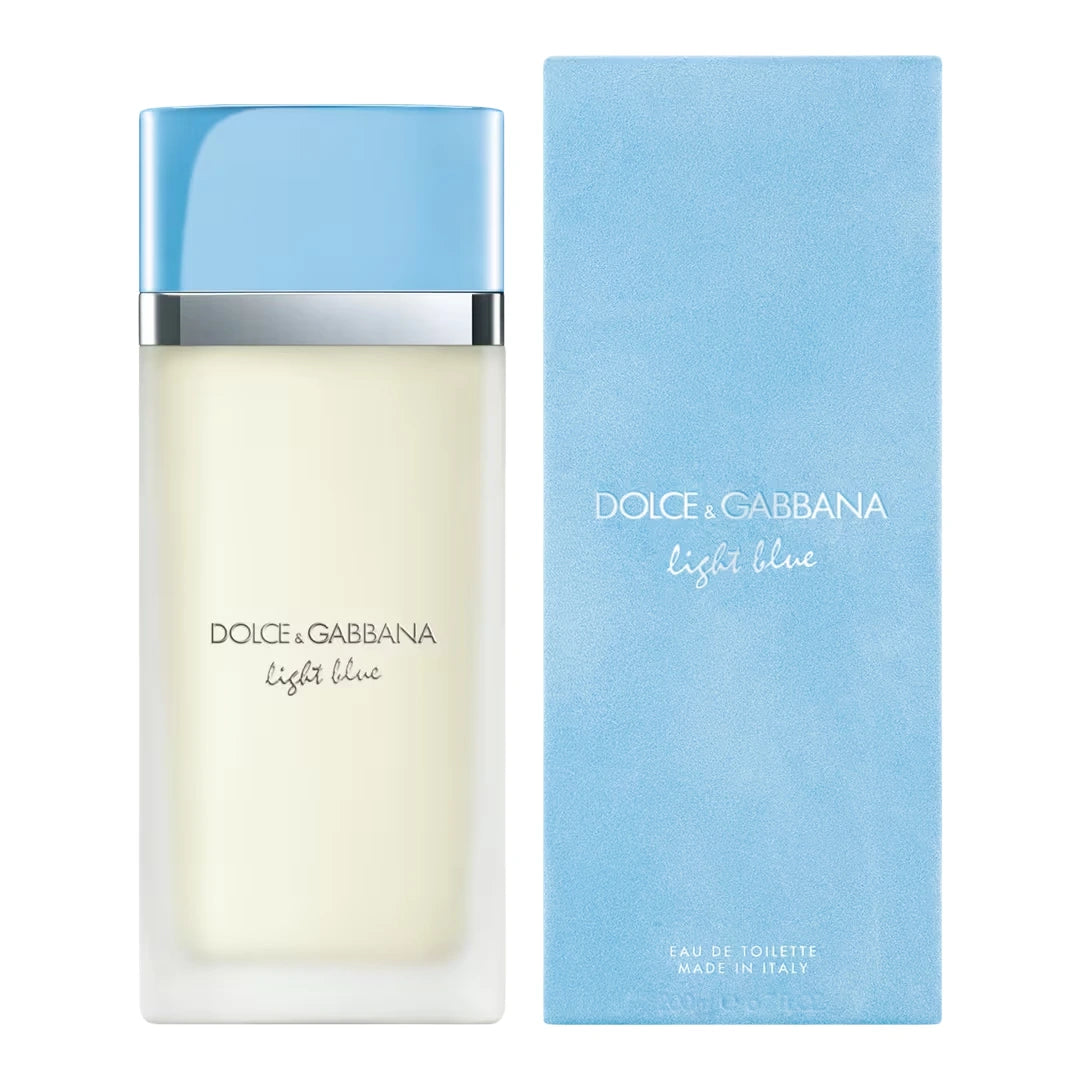
Dolce & Gabbana Light Blue
Light Blue focuses on freshness. Lemon notes feel bright and don’t get abrasive when combined with a cedarwood base that keeps irritation low.
- Fresh profile with minimal density
- Crisp citrus notes feel energizing without bite
- Works well for daytime wear
- Refillable bottle supports lighter use habits
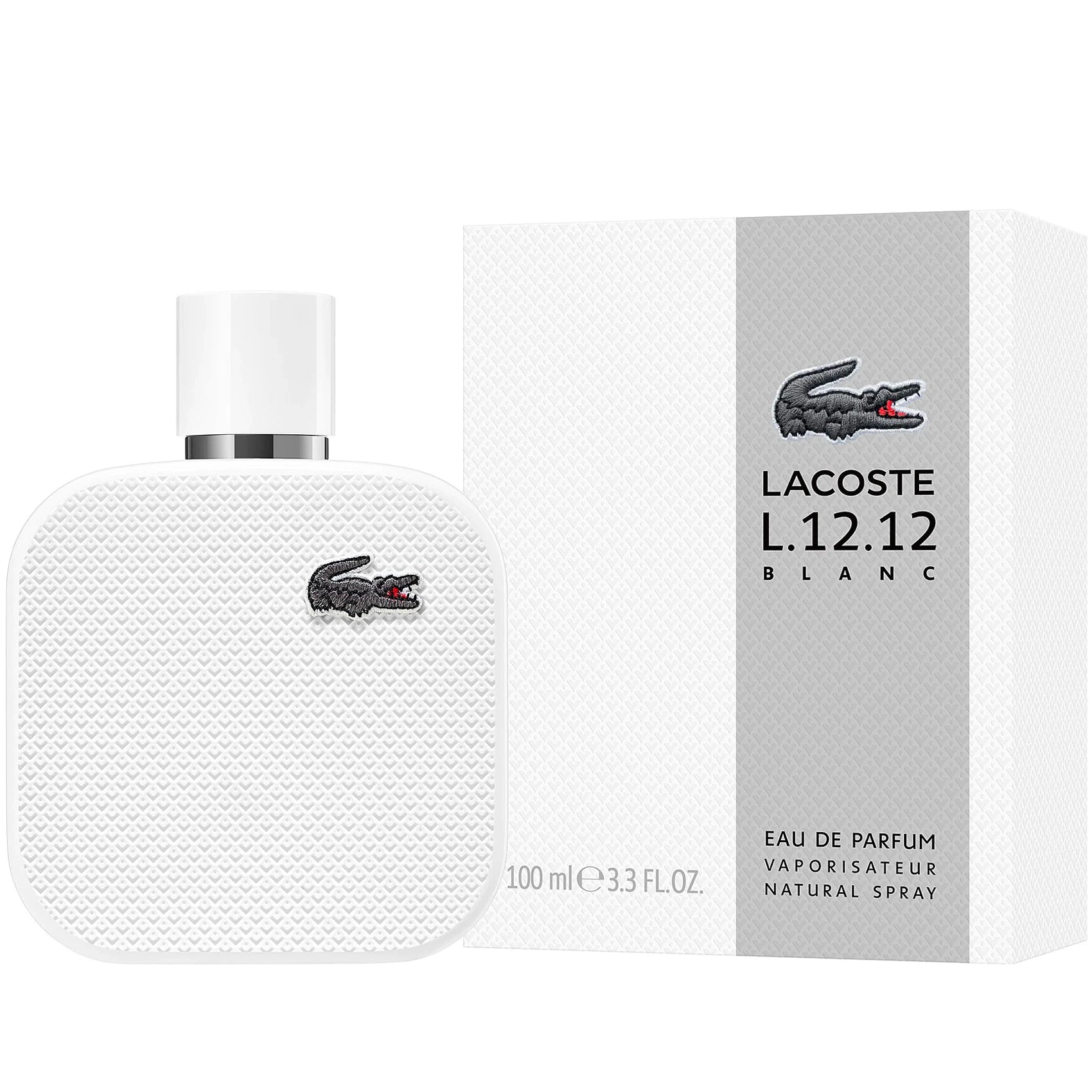
Lacoste Blanc for Men
Lacoste Blanc for men delivers a crisp, clean scent. Many consider it a dependable hypoallergenic cologne due to its restrained composition.
- Woody freshness without spice overload
- Soft projection limits sensory overload
- Comfortable for office or daily use

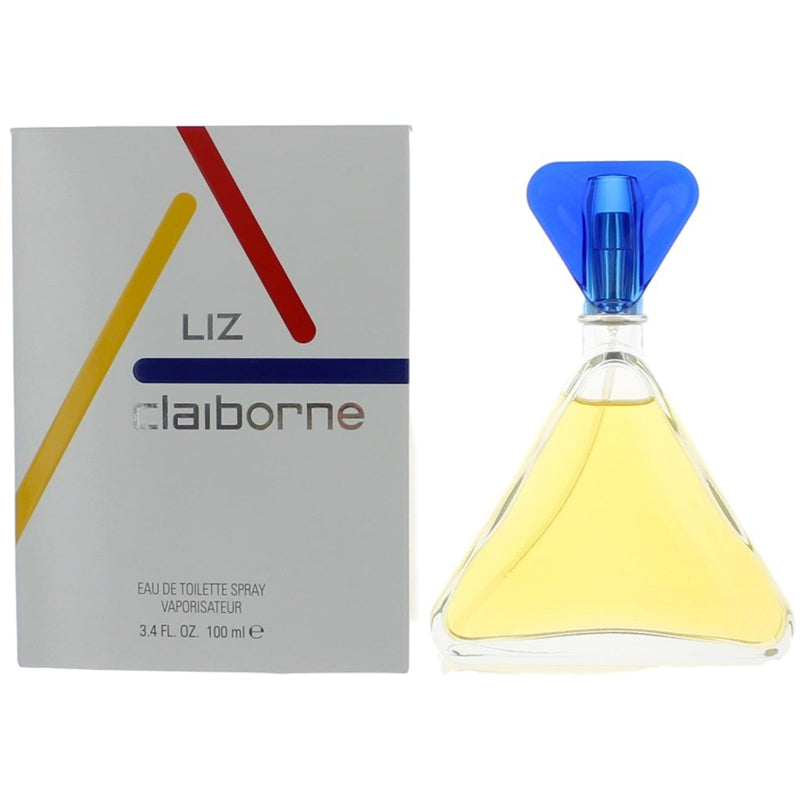
Liz Claiborne
This classic scent keeps things simple. Green and floral notes are clean and familiar to those who don Liz Claiborne’s signature fragrance. Better yet, this fragrance boasts a reduced allergy risk.
- Light composition
- Straightforward scent structure
- Comfortable for all-day wear
- Familiar profile reduces reaction risk
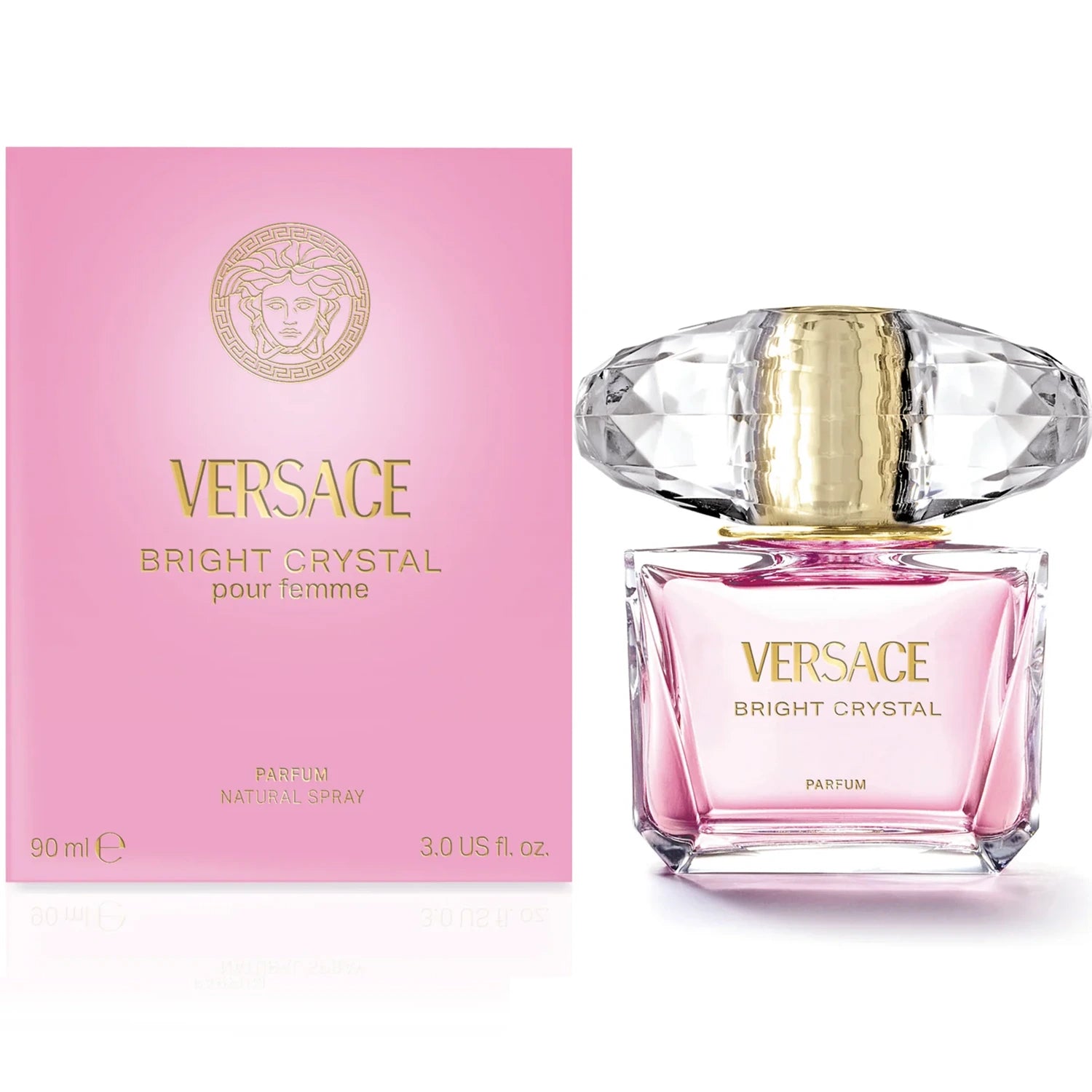
Versace Bright Crystal
Bright Crystal blends fruit and florals with restraint. The fragrance feels luminous without being overpowering.
- Fresh, fruity notes
- Softer floral presence
- Clean musky undertone
- Well-suited for sensitive noses
How to Choose Perfume for Sensitive Skin
When your skin reacts easily to fragrances, you’ll tend to proceed with caution when choosing a perfume. You certainly aren’t a consumer who chases the loudest scent or the longest wear.
Instead, why not focus on how a perfume behaves once it warms on your skin? What happens when it settles into fabric and fades throughout the day?
You can transform fragrance from a source of stress into something quietly enjoyable by paying attention to perfume formulations and testing habits.
A few best practices will help those with sensitive skin find their own perfect fragrance that won’t cause uncomfortable irritation:
- Find hypoallergenic labels: Look for fragrances that are tested against common allergens.
- Carefully read ingredients: Shorter ingredient lists often signal gentler formulas.
- Select natural fragrances cautiously: Natural ingredients still require moderation.
- Test a patch: Apply fragrance to a small area and wait 24 hours before you move on to full use.
- Consult a healthcare provider: Persistent reactions deserve professional guidance.
Sensitive Skin Doesn’t Have to Mean Fragrance-Free
Sensitive skin doesn’t have to mean entirely giving up on personal fragrance. Softer formulas now offer tantalizing scents without unwelcome discomfort.
Go ahead and explore all the skin-conscious options at LaBelle Perfumes. Then choose a fragrance that settles in gently and stays with you… not against you.


0 comments